The weekend padel game, the mountain bike ride, the squash match that went one game too far. Or the knee that has never felt right since the operation. Most knocks settle in a few weeks. Some don’t, and when pain is still shaping your week months later, it’s time for a clearer plan than more rest.
Key takeaways
- Injuries are common in active adults. In padel, 40 to 72% of players reported an injury in the past year, and pain outlasts surgery for 10 to 50% of people.
- Start with a diagnosis, then a structured rehab plan. For most injuries, the right exercise programme does more than rest.
- If months of proper rehab haven’t worked, get a fresh review. Recovery peptides such as BPC-157 are often asked about, but the research is still early.
40 to 72%of padel players reported an injury in the past 8 to 12 months1Systematic review, 2023
return to their pre-injury level of sport after knee ligament (ACL) surgery2Meta-analysis, 2014
Review, 2023
The problemActive, over 30 and carrying an injury
Padel, squash, golf, running and cycling keep a lot of people active well into their 30s, 40s and beyond. Injuries come with the territory. In padel, for example, tennis elbow is the most common diagnosis, and in one study more than half of injured players needed over a month to recover.1
Closer to home, a University of Cape Town study found that 29% of South African triathletes surveyed were living with chronic musculoskeletal pain, and those with pain tended to be older.4
After surgerySurgery isn’t the finish line
An operation repairs the structure. Getting back to full function is a separate job, and it’s mostly rehab. After knee ligament (ACL) reconstruction, 81% of people return to some sport, but only 65% get back to the level they played at before.2
Pain can also outlast the operation. Across surgery generally, an estimated 10 to 50% of people still have pain more than three months later.3 If that’s you, go back to your surgeon or physio rather than assuming it’s just how things are now.
The diagnosisStart with what’s actually wrong
“Recovery” covers very different problems, and each needs something different. A tendon that’s been sore for months, a fresh tear and stiffness after surgery are not the same thing. So the first step is a diagnosis from a doctor or physiotherapist.
When you see someone, explain when it started, what makes it worse and what you’ve already tried. A rehab plan that didn’t fit your working week is a different problem from one you followed properly that still didn’t help.
Where to startRest first, then the right rehab
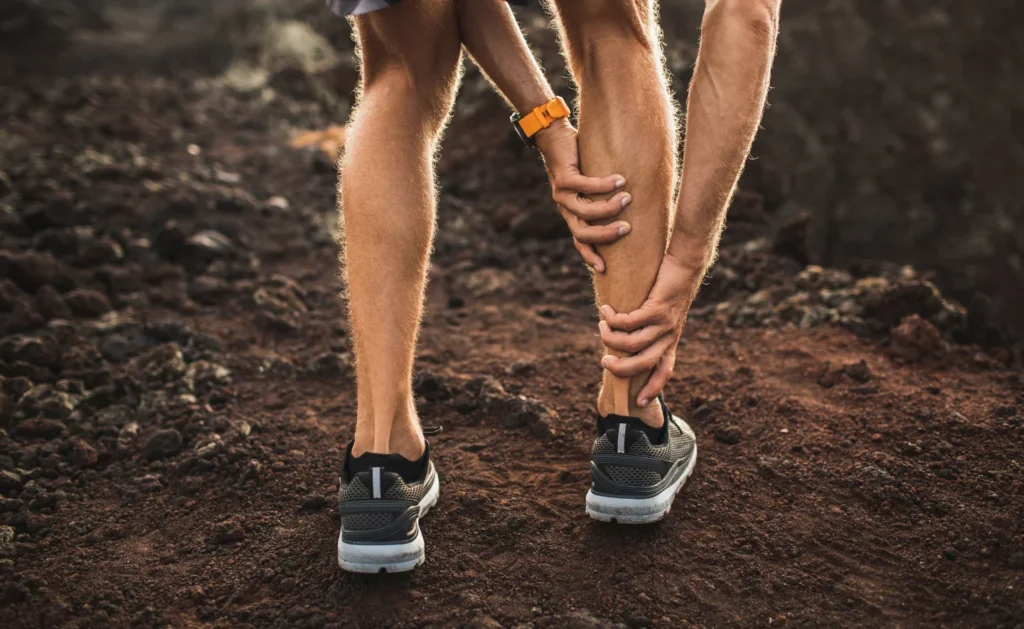
A short break from whatever aggravates it helps settle things down. After that, rest on its own rarely fixes the problem. Take a long-running Achilles problem: the clinical guideline puts a structured, progressive loading programme first.5 That means specific exercises that build the tendon’s capacity over time. A physio can turn “take it easy” into a plan you can follow.
Still not better?When months of rehab haven’t worked
If you’ve done the rehab properly and the pain still hasn’t settled after several months, don’t just push through it. Get a fresh review: the diagnosis may need another look, the plan may need changing, or a specialist opinion may help.
It’s also when many people ask about recovery peptides such as BPC-157, which get a lot of attention online. Here’s what the research actually shows.
Early doesn’t mean useless. It means nobody can yet say how well it works in people, or for whom. If you’re curious, talk it through with a doctor who knows your diagnosis and your rehab history, and avoid products sold online without a prescription, where you can’t know what’s in the vial.
How Oryx helpsRehab first, honest about the rest
An Oryx doctor will start with your diagnosis, any surgery you’ve had and the rehab you’ve tried, tell you plainly what the evidence does and doesn’t show, and only suggest treatment where it’s appropriate.
QuestionsFrequently asked questions
What should I do about an injury that won’t heal?
Get a diagnosis from a doctor or physiotherapist first. A sore tendon, a fresh tear and stiffness after surgery need very different things, and the right plan depends on which one you have.
Is rest the best treatment for a tendon problem?
A short break helps, but rest on its own rarely fixes it. For a long-running Achilles problem, the clinical guideline puts a structured, progressive loading programme first.
Is it normal to still have pain months after surgery?
It’s more common than most people expect: an estimated 10 to 50% of people still have pain more than three months after an operation. It’s worth going back to your surgeon or physio for a review.
Does BPC-157 work?
Nobody can say yet. A 2025 review of BPC-157 for muscle, tendon and bone found 36 studies, of which 35 were in animals or the laboratory and one was a small report in people.
Is it safe to buy recovery peptides online?
Products sold online without a prescription give you no way of knowing what’s actually in the vial or whether it’s right for your injury. Speak to a doctor first.
Got an injury or recovery that won’t settle? Start with the free two-minute eligibility check.
The free eligibility check takes two minutes, it’s private, and there’s no obligation. If you’re a good fit, you’ll speak to one of our doctors.
References
- Dahmen J et al. Incidence, prevalence and nature of injuries in padel: a systematic review. BMJ Open Sport Exerc Med 2023
- Ardern CL et al. Fifty-five per cent return to competitive sport following anterior cruciate ligament reconstruction surgery: an updated systematic review and meta-analysis. Br J Sports Med 2014
- Fuller AM et al. The mechanisms and management of persistent postsurgical pain. Front Pain Res 2023
- Francis GC. The prevalence and characteristics of chronic musculoskeletal pain in adult triathletes in South Africa. MSc thesis, University of Cape Town, 2022
- Chimenti RL et al. Midportion Achilles tendinopathy: clinical practice guideline revision 2024
- Kearney RS et al. Effect of platelet-rich plasma injection vs sham injection on tendon dysfunction in patients with chronic midportion Achilles tendinopathy. JAMA 2021
- Vasireddi N et al. BPC-157 in orthopaedic sports medicine: a systematic review. 2025